


AgroParisTech (Université Paris-Saclay)

L'Institut Agro Montpellier

L'Institut Agro Rennes-Angers

L'Institut Agro Dijon

Bordeaux Sciences Agro
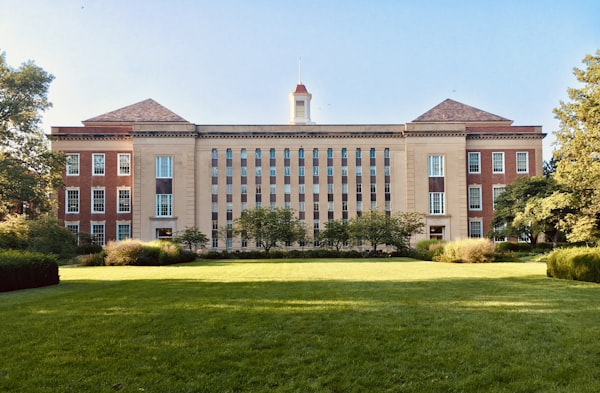
ISARA Lyon
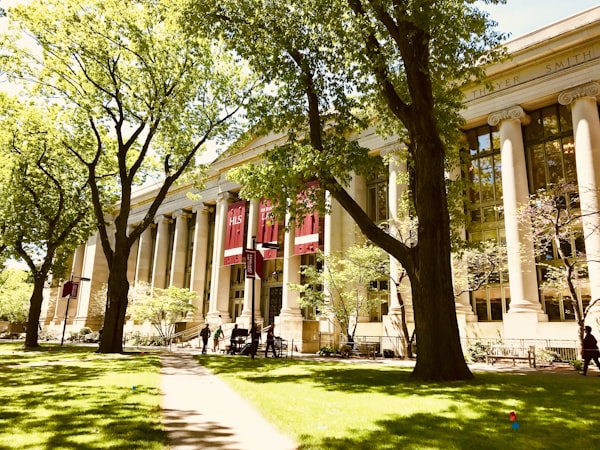
Purpan Toulouse

Université de Montpellier

Université Paris-Saclay

AgroCampus Ouest
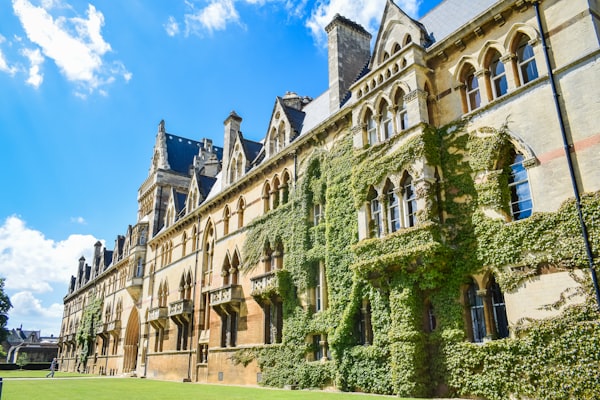
ENSAT Toulouse
VetAgro Sup Lyon

UniLaSalle
Université de Bourgogne
Université de Bordeaux
AgroParisTech (Université Paris-Saclay)
L'Institut Agro Montpellier
L'Institut Agro Rennes-Angers
L'Institut Agro Dijon
Bordeaux Sciences Agro
ISARA Lyon
Purpan Toulouse
Université de Montpellier
Université Paris-Saclay
AgroCampus Ouest
ENSAT Toulouse
VetAgro Sup Lyon
UniLaSalle
Université de Bourgogne
Université de Bordeaux
6 Reasons France
Is the Best Place to
Study Agriculture
France is Europe's agricultural heartland. Its grandes écoles, INRAE labs, and vineyards form the world's most complete agricultural education ecosystem. Here is what makes studying agriculture in France a categorically better decision.
#1 Agricultural Power in Europe
France produces 18% of the EU's agricultural output - the highest of any member state. With an €85 billion agricultural sector, it is the continent's undisputed farming powerhouse and a living laboratory for every agricultural discipline.
INRAE: World's #1 Agri-Research Institute
INRAE (National Research Institute for Agriculture, Food and Environment) employs 4,300+ researchers across 14 centres in France. It is the world's leading public agricultural research body - and French agriculture students get direct access to its labs and projects.
From Vineyard to Biotech
France offers unmatched breadth - from centuries-old viticulture and oenology in Bordeaux to cutting-edge precision farming, agroecology, and agricultural biotechnology. No other country covers this spectrum with such depth and quality.
EU Agricultural Policy Hub
The Common Agricultural Policy (CAP) - the EU's €387 billion agricultural budget - is shaped heavily by France. Studying here puts you at the centre of global agricultural policy, with connections to FAO, CIRAD, and EU institutions.
Near-Zero Tuition at Public Schools
Public universities and grandes écoles in France charge just €243/year for Master's students - including international students. World-class agricultural education at a fraction of what the US, UK, or Australia would cost.
2-Year Post-Study Work Visa
France's APS permit gives Master's graduates the right to live and work anywhere in France for 2 years after graduation, with full Schengen access. Agritech startups, EU research labs, and global agribusiness firms all recruit from French campuses.
Agriculture Programs in France
- by School
Select a school to explore its agriculture programs and USPs. Also browse related programs: Masters in Biology, Biotechnology, Chemistry, Sustainability Management and Renewable Energy.
AgroParisTech
#1 Agriculture France
Programs Offered
Why AgroParisTech
Ready to apply to AgroParisTech?
What Indian Students
Need to Qualify
These are baseline criteria. Our counsellors assess your profile individually and tell you exactly where you stand.
Academic Score & Accepted Degrees
Bachelor's degree (3 or 4 years) in Agriculture, Horticulture, Food Science, Environmental Science, Biology, or related life sciences. AgroParisTech and Paris-Saclay expect 70%-75%+ (CGPA 7.0+). L'Institut Agro schools accept 65%+. ISARA and Purpan work with 60%-65%. B.Tech Agricultural Engineering is also accepted at most schools.
English Proficiency
IELTS 6.0+ (no band below 5.5) or TOEFL iBT 80+. Many MSc programs at grandes écoles are taught entirely in English. Some programmes - especially Diplôme d'Ingénieur tracks - require French at B2 level (DELF B2). Students from English-medium Indian colleges often qualify for waivers.
No GRE / GMAT Required
Unlike US and UK universities, French agricultural schools do not require GRE or GMAT scores. Admission is based on academic transcripts, motivation letter, research experience, and sometimes an interview. This makes the application process significantly simpler for Indian students.
Research & Field Experience
While not mandatory, research experience in agricultural sciences, internships at farms or agribusiness companies, or published papers significantly strengthen your application - especially for AgroParisTech and Paris-Saclay. Practical farm experience is valued as much as lab work at most French agricultural schools.
Documents Required
Statement of Purpose (1-2 pages - demonstrate your interest in agriculture, relevant coursework, field/lab experience, and career goals), 2-3 Letters of Recommendation (1 academic + 1 professional/research supervisor preferred), updated CV, all academic transcripts, passport copy, and any relevant certifications or publications. SOPs are checked for plagiarism - always write your own.
Not sure if you qualify? Our counsellors do a profile analysis and tell you which agriculture schools you can get into - and what it takes to strengthen your application.
Masters in Agriculture in France
- Tuition Fees
Part-time work (20 hrs/week permitted) significantly offsets living costs of €800-€1,100/month.
| University | Tuition (Approx.) |
|---|---|
| AgroParisTech (Public) | ₹0.2 - 2 lakhs/year |
| L'Institut Agro Montpellier | ₹0.2 - 3 lakhs/year |
| L'Institut Agro Rennes-Angers | ₹0.2 - 3 lakhs/year |
| L'Institut Agro Dijon | ₹0.2 - 3 lakhs/year |
| Bordeaux Sciences Agro | ₹0.2 - 2 lakhs/year |
| ISARA Lyon (Private Grande École) | ₹6 - 10 lakhs/year |
| Purpan Toulouse (Private) | ₹7 - 12 lakhs/year |
| UniLaSalle (Private) | ₹8 - 12 lakhs/year |
| Université de Montpellier (Public) | ₹0.2 - 0.5 lakhs/year |
| Université Paris-Saclay (Public) | ₹0.2 - 0.5 lakhs/year |
| Université de Bordeaux (Public) | ₹0.2 - 0.5 lakhs/year |
| Université de Bourgogne (Public) | ₹0.2 - 0.5 lakhs/year |
| ENSAT Toulouse (Public) | ₹0.2 - 2 lakhs/year |
| VetAgro Sup Lyon (Public) | ₹0.2 - 2 lakhs/year |
← Scroll horizontally →
Total Budget Estimate
Scholarship Tip
Public universities in France charge just €243/year - making agriculture one of the most affordable Master's degrees in the world. Eiffel and Charpak scholarships can cover even private school fees entirely.
*Fees are approximate and change each intake. Contact our counsellors for current, scholarship-adjusted figures.
Scholarships for Agriculture Masters in France

Excellence Eiffel Scholarship

Charpak Excellence Masters

School Merit Scholarships

CIRAD Research Fellowships
INRAE Doctoral & Research Grants

Erasmus Mundus Joint Masters
Scholarship availability changes each intake cycle. Our team tracks these in real-time - speak to us before you apply.
Career Prospects After
Agriculture Masters in France
France's €85 billion agricultural sector - the largest in the EU - creates massive demand for agronomists, food scientists, sustainability consultants, and agricultural engineers. Global agribusiness firms like Danone, Nestlé, Syngenta, and Limagrain recruit directly from French agricultural schools.
The average starting salary for agriculture Master's graduates ranges from €35,000-€55,000 per year (₹32-50 lakhs), with agritech product managers and sustainability consultants often exceeding €65,000 within 3-5 years.
The 2-year APS visa creates a powerful window for Indian students: gain European agricultural experience - at INRAE, CIRAD, FAO, or agritech startups - before deciding your long-term path. StudyFrance alumni work across Europe, India, and Africa in agriculture and food systems.
| Job Role | Annual Salary |
|---|---|
| Agronomist | €35,000 - €55,000 |
| Food Scientist | €38,000 - €58,000 |
| Sustainability Consultant | €40,000 - €65,000 |
| Agricultural Engineer | €36,000 - €52,000 |
| Viticulture / Oenology Manager | €35,000 - €60,000 |
| Agritech Product Manager | €42,000 - €68,000 |
| Agricultural Policy Analyst | €38,000 - €55,000 |
← Scroll horizontally →
We've lived this
journey.
We walk it with you.
We've stood where you are - uncertain, hopeful, and afraid of getting it wrong.
What began as our own journey to France became a promise to guide others with honesty, not pressure. Our founders don't just know about France - they live in Europe. Our student ambassador, Mr. Ajayen, studied in Paris and lives and works there today.
He didn't read about the experience online. He lived it. That means when you talk to us, you get reality - not a sales pitch built on brochures. We tell you what university interviews feel like. What the visa process actually requires. What living in France actually costs. What you'll miss about India, and what you'll love about France.
"We are always there to help or guide you - anytime - from India to France, forever."
- StudyFrance Founders & Team, Europe
Our End-to-End Services
University Selection & Shortlisting
We match you with the right agriculture schools based on your profile, budget, and career goals - not what's easiest to sell.
Application & SOP Crafting
Our team has reviewed hundreds of successful applications to AgroParisTech, L'Institut Agro, ISARA, and more. We know what works.
Scholarship Guidance
We track all scholarship cycles - Eiffel, Charpak, CIRAD, INRAE, Erasmus Mundus - and help you apply for every opportunity you qualify for.
Visa Support - Zero Guesswork
France visa applications can be complex. We guide you through every document, every step, with zero confusion.
Pre-Departure & Settlement Support
From accommodation hunting in Montpellier to setting up your French bank account - before and after you land.
Ongoing Mentorship - Always
Our student ambassador in Paris and our France alumni network are always a WhatsApp message away, for as long as you need us.
Your Agriculture Questions,
Answered Honestly.
Everything Indian students ask us before deciding to study Masters in Agriculture in France.
France is arguably the best country in Europe for agriculture studies. It is the EU's #1 agricultural producer (18% of total EU output, €85 billion sector), home to INRAE - the world's top public agricultural research institute - and offers unmatched breadth from traditional viticulture in Bordeaux to cutting-edge precision farming and agroecology. French grandes écoles like AgroParisTech are consistently ranked among the world's top 10 for agriculture and forestry. Public university tuition is just €243/year.
Ready to Begin Your
Agriculture Career in Europe?
Whether you're just exploring or ready to apply - our Paris-based team walks every step with you. From India. To France. Forever.